
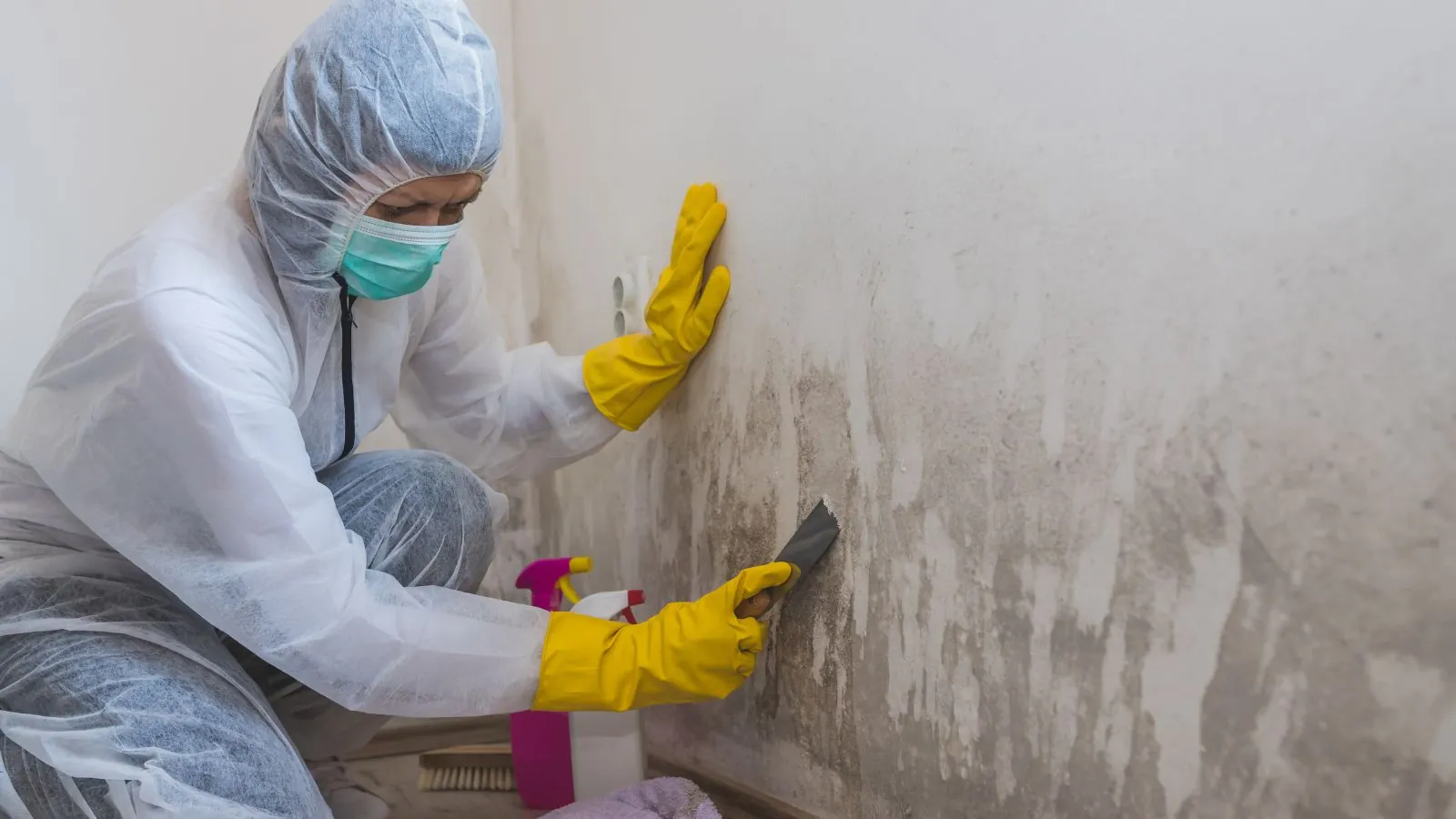
It depends. Whether homeowners insurance covers mold comes down to two things: what caused the moisture, and what your policy says about mold or fungi. A supply line that soaks a wall overnight is usually judged differently from a slow drip behind a vanity that fed mold for months.
We cannot tell you whether a claim will be approved, and no one outside your insurer can. What we can do is explain the general pattern, show what to look for in your policy, and describe the records that make a claim conversation easier.
Cause first, mold second
Insurers generally look at the water event that came before the mold. A sudden and accidental event, like a supply line failure or an appliance hose that bursts, is often covered, and mold that results from it may fall under the same claim. A slow leak that went unfixed for months is often excluded or limited.
That is why the timeline matters. A plumber's report, dated photos, and records of when you noticed the problem help show whether the cause was sudden or gradual.
How different causes tend to be treated
These are general patterns, not promises. Your policy language decides.
| Cause of moisture | Often treated as | What to check |
|---|---|---|
| Sudden pipe burst or appliance failure | Often covered, mold may be limited | Fungi or mold sublimit in your policy |
| Long-term leak or seepage | Often excluded or limited | Wear, tear, and continuous seepage wording |
| Flood from outside water | Usually excluded from homeowners policies | Separate NFIP or private flood policy |
| Sewer or water back-up | Often needs an endorsement | Back-up and sewage endorsement |
| Roof damage from a covered storm | Depends on the cause and policy | Wind and storm provisions |
Questions about your situation? Call the 24/7 line and describe what you see.
☎ Call (516) 845-9582What to look for in your policy
- Search for the words fungi, mold, and microbial in the exclusions and limits sections.
- Note any dollar limit or sublimit on mold, which may be lower than your main coverage.
- Check whether mold coverage applies only when it follows a covered water loss.
- Read the definition of sudden and accidental, and any exclusion for continuous seepage.
- Look for a water back-up or sewage endorsement if you have a basement.
- Confirm whether flood coverage exists separately through NFIP or a private flood policy.
- Ask your insurer in writing if any wording is unclear.
Document before and while you act
The state insurance regulator publishes record-keeping tips for property claims, and they fit a mold claim well. Dated photos of the stained area, the moisture source and any repair invoice matter most.
Photograph and video the damage
Do this before cleaning or removing anything, and take wide and close shots.
Make a room-by-room inventory
List damaged items with receipts where you have them.
Keep receipts for emergency repairs
Water extraction, temporary repairs, and drying costs should be saved.
Hold damaged property until settlement
Do not discard items until your insurer has had a chance to inspect.
Avoid permanent repairs before inspection
Stop the water and protect the property, but wait for the insurer on rebuilds.
Report promptly and follow up in writing
DFS suggests filing as soon as possible and keeping notes on every conversation.
Why drying fast can help a claim
Mold needs moisture, so limiting how long materials stay wet limits the problem. Prompt drying after a covered loss also shows a good-faith effort to reduce damage. A dated moisture log from a restoration company can back that up.
If the source was a leak above a ceiling, ceiling water damage repair and drying can limit how far moisture travels. If mold is already present, the mold remediation page explains how licensed professionals handle it.
Assessment records and paperwork
Under state rules a licensed assessor writes up the job before a remediator starts, and that written plan is useful paperwork. It shows what was found, where, and what work was planned.
Share it with your insurer if you file a claim. Neighbors in nearby areas like Greenvale or Old Westbury follow the same state rules, though each person's policy is different.
Common mistakes that cause trouble
Cleaning before photos
Once evidence is gone, it is hard to show what happened.
Waiting to report
DFS names no fixed deadline, but filing sooner avoids disputes about when the damage began.
Assuming flood is covered
Mold after a flood is its own question, since a standard policy usually leaves the flood itself out. Look for a separate flood policy.
Skipping the written scope
Without it, it is difficult to show what the repair involved.
What this means in Port Washington
Standard homeowners and renters policies leave flood out, and the state points to two ways to fill that gap: a water back-up and sewage endorsement, or a separate NFIP flood policy. Water sits on both sides of the Port Washington peninsula, so read the flood and back-up wording now, before a wet basement forces the question.
A lawful mold job in New York involves two licensed parties, an assessor who writes the plan and a remediator who carries it out, and they may not be the same person on one property. File both reports with your insurance records.
Frequently asked questions
Will my insurer pay for mold removal?
Possibly, if the mold follows a covered sudden and accidental loss and your policy does not exclude it. Many policies include a lower limit for mold. Ask your insurer and check the wording.
Is mold from a slow leak covered?
Long-term seepage and neglect are often excluded or limited. A plumber's report and dated photos help establish when the leak began.
Does flood insurance cover mold?
That depends on the policy and the cause. Flood damage is usually excluded from a typical homeowners policy and needs separate NFIP or private coverage. Ask your flood insurer how mold is handled.
Should I clean the mold before the insurer visits?
Photograph first and stop the water source. Keep damaged materials until your insurer has inspected, unless a safety issue requires removal. Ask in writing what they want preserved.
Do I need a deadline to file?
Report it early. The state regulator names no fixed deadline for homeowners claims, yet your own policy may set a notice window, so read that section.
Does an independent mold assessment help with a Port Washington claim?
The assessment is required by New York minimum standards to define the remediation scope, and the written record can support your claim file. Your insurer decides how it is treated.
Ready to talk it through? Call the 24/7 line.
☎ Call (516) 845-9582