
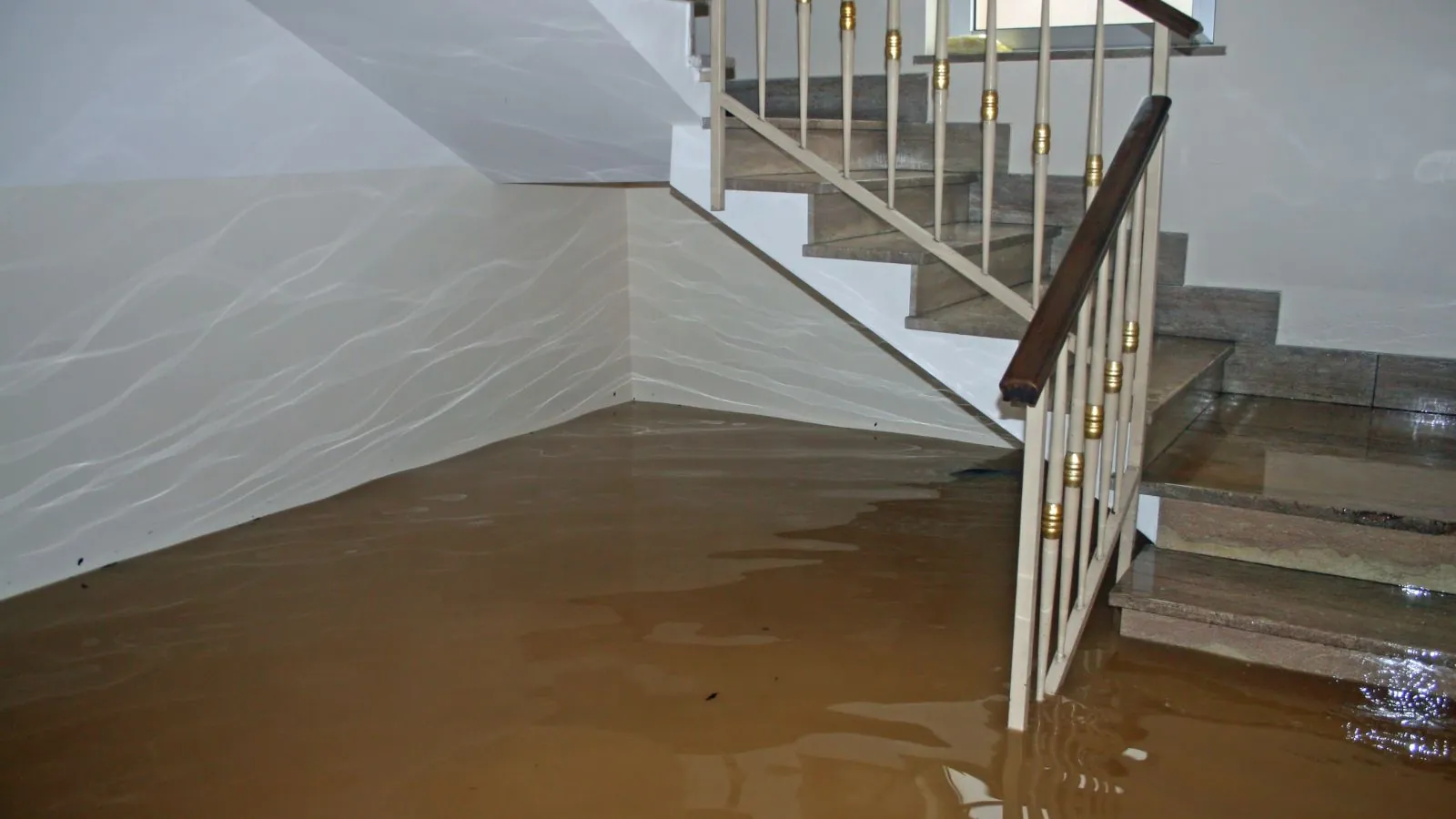
Does homeowners insurance cover water damage? Often yes, when the water was sudden and accidental, like a supply pipe that bursts or an appliance hose that fails. Water damage here means harm to a building or its contents from unwanted water, and insurers sort it by where the water came from. Flood is usually excluded, and slow leaks, neglect and sewer back-up are often excluded unless you added an endorsement.
The cause matters more than the amount of water. Two basements can hold the same inches of water, and one claim is handled as a covered plumbing loss while the other is handled as flood. This post sorts the common causes into categories so you know which questions to ask before you call anyone. Only your own policy wording settles the question, and your insurer can explain it.
Cause of loss decides the answer
Adjusters sort water claims by two questions: where did the water originate, and was it quick or slow? Water released from inside the plumbing or an appliance, suddenly, is the classic covered event. Water that rises from outside, or seeps for months, gets different treatment.
Most policies also separate the water damage from the item that failed. The policy may pay for the ruined drywall and flooring after a sudden pipe failure but not for the cost of replacing the pipe itself. Read the exclusions page as closely as the coverage page, because that is where the surprises sit.
Coverage categories at a glance
This table is a general guide, not a promise of coverage. Policies differ, so the right-hand column lists what to ask.
| Source of water | Usually treated as | Ask your insurer |
|---|---|---|
| Burst pipe or failed appliance hose | Sudden and accidental, often covered | Does the policy pay for tear-out needed to reach the leak? |
| Slow drip behind a wall or under a sink | Gradual leak, often excluded | How does the policy define continuous or repeated seepage? |
| Rising water from rain, tide or an overflowing waterway | Flood, usually excluded | Do I carry NFIP or private flood coverage? |
| Sewer or drain back-up | Excluded unless endorsed | Is a water back-up and sewage endorsement on my policy? |
| Wind opens the roof or a wall and rain enters | Wind damage, more likely covered | Is there a separate deductible for storm losses? |
Questions about your situation? Call the 24/7 line and describe what you see.
☎ Call (516) 845-9582Flood versus a standard homeowners policy
Insurers commonly define flood as surface water or overflowing water covering ground that is normally dry. If rain runs down a driveway and in through a basement door, that is usually flood, even though it feels like an ordinary rain problem. Protection against flood is a standalone purchase, available from the National Flood Insurance Program or from private carriers.
Coverage questions and drying questions run on different clocks. If floodwater has already come in, flood damage cleanup needs to start while the claim is still being sorted out, because wet materials do not wait for an adjuster. Photograph everything first and keep your receipts.
Water back-up endorsements
When a sewer line or sump pump fails and water comes up through a floor drain, a standard policy often says no. An endorsement can add that coverage, usually with its own limit that is lower than the main dwelling limit. Ask whether you have one and what the limit is, because a finished basement can use up a small limit quickly.
Back-up water is also the dirtiest kind of loss, so it carries health and cleanup demands beyond drying. If you are standing in it, water extraction is the first physical step, and the safety rules for sewage apply before anything else.
Wind and storm openings
Wind losses fare better than flood losses on a typical policy. If wind tears off shingles and rain then enters through the opening, many policies treat the resulting interior damage as part of the wind loss. If rain simply soaks through an aging roof with no storm opening, the insurer may call it wear and tear.
That difference makes the roof photographs matter. Capture the opening itself, any debris that caused it, and the wet ceiling below, in that order.
Questions to settle with your insurer
Put these to your agent in writing, ideally before a loss and certainly before a major repair.
- Does my policy cover sudden pipe and appliance failures, and how does it define sudden?
- What does the policy say about leaks that go on for days or weeks?
- Do I have a water back-up and sewage endorsement, and what is its limit?
- Is flood excluded, and do I carry a separate flood policy?
- Does the policy cover the cost of drying and tearing out wet materials?
- Is the deductible different for wind or storm losses?
- What notice does the policy require after a loss, and in what form?
Gradual leaks and maintenance
A dishwasher hose that weeps for months behind the unit looks very different to an insurer than one that burst overnight. Fix small drips as soon as you find them and photograph the repair, since a record of prompt action helps show the loss was not neglect.
What this means in Port Washington
The state's Department of Financial Services says a typical homeowners or renters policy leaves flood out. Relief for that gap can come through an endorsement for back-up and sewage or through a separate NFIP policy. With Manhasset Bay on one side of the peninsula and Hempstead Harbor on the other, it is sensible to confirm in advance what your agent has you covered for.
That guidance also treats wind as the likelier covered peril. Heavy rain in early September 2021 put roads under water in town and stranded drivers, so surface water here is not hypothetical. Neighbors in Roslyn Heights and Old Westbury read the same kind of policy language, so a call to your agent about flood, back-up and wind is worth making before a loss, not after one.
Frequently asked questions
Is a burst pipe covered by homeowners insurance?
Often yes, because a burst pipe is usually sudden and accidental. Look in the policy for how frozen pipes, the failed pipe itself and tear-out costs are handled.
Does homeowners insurance cover sewer backup?
Typically only if you added a back-up and sewage endorsement. Without one, the standard policy commonly excludes it, so ask your insurer what you carry.
Is water damage from a slow leak covered?
Often not. Many policies exclude seepage that goes on over time, so photograph and fix drips early and ask how your policy defines gradual damage.
Do I need flood insurance if my Port Washington home is not right on the water?
Flood coverage is separate for every address, near the water or not. Search the FEMA flood map by address, then put the question to an agent or NFIP provider.
Should I call my insurer or a restoration company first?
Do both. Open the claim as soon as possible, and arrange emergency drying so the damage does not spread. Keep receipts for any emergency work.
Will my insurer pay for drying and tear-out?
Many policies pay for reasonable emergency measures when the loss itself is covered, but terms vary. Ask your insurer before work starts, and expect them to want documentation.
Ready to talk it through? Call the 24/7 line.
☎ Call (516) 845-9582