
After water damage, hard and non-porous items that touched clean water can usually be cleaned and kept, while porous items that soaked up contaminated water usually go. Sewage or floodwater turns that rule strict: mattresses, upholstered furniture, padding and most paper should be discarded, and only a few hard items are worth cleaning.
One step comes before any sorting. Photograph or video each item where it sits, then keep damaged property until your insurer has settled the claim. Throwing things out too early is the most common mistake people regret.
Sort by material and water category
Category 1 is clean water, Category 2 has some contamination, and Category 3 is sewage or outside floodwater. This table is a starting point, and a professional should judge borderline items.
| Material | Category 1 (clean) | Category 2 or 3 |
|---|---|---|
| Solid wood furniture | Dry, clean and keep | Clean and sanitize if sealed, or discard if swollen |
| Upholstered sofas and chairs | Often saved if dried fast | Discard |
| Mattresses and pillows | Dry quickly or replace | Discard |
| Carpet and padding | Pad usually replaced, carpet may be dried | Discard both |
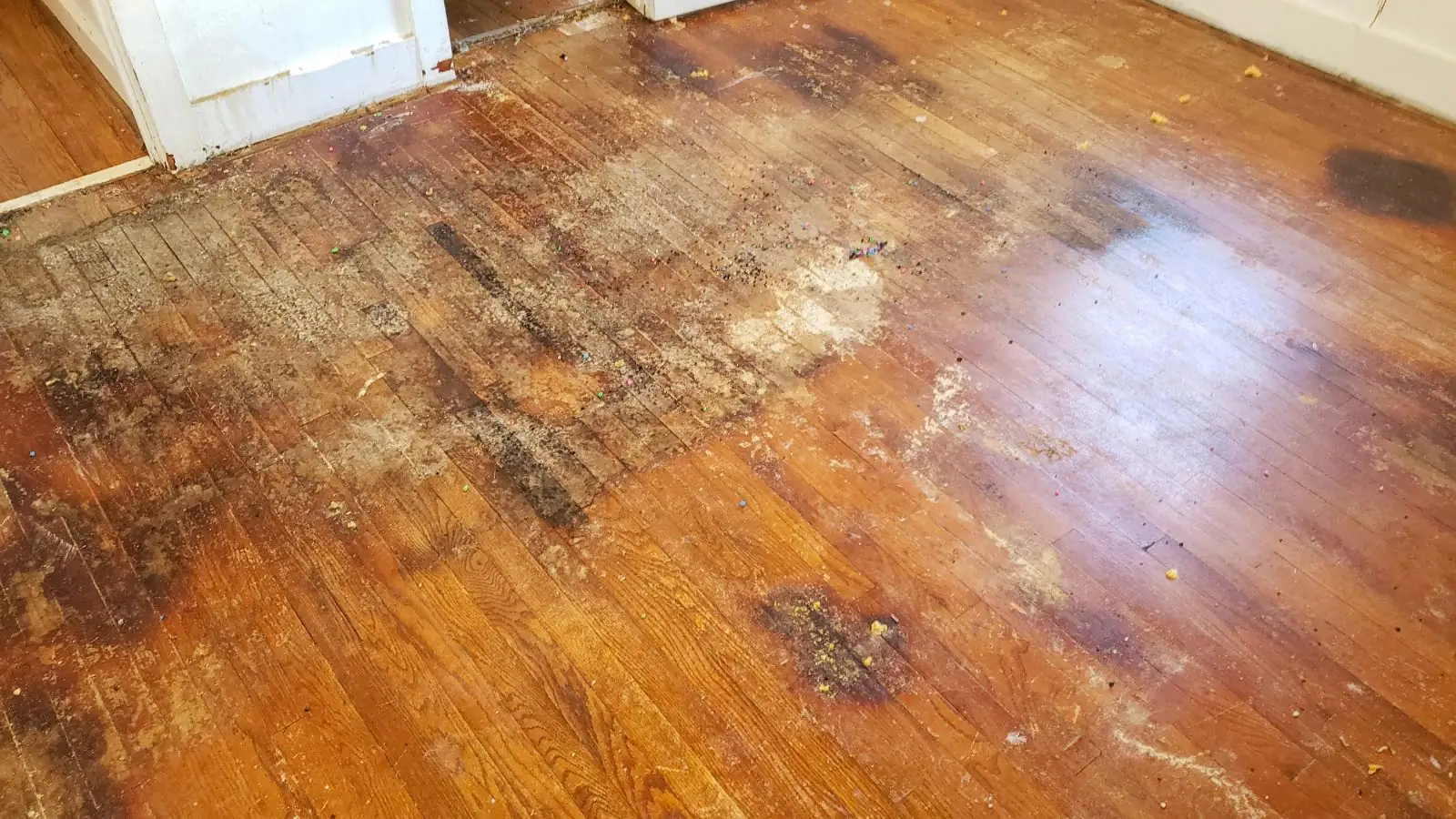
| Hardwood floor | May be dried in place if caught early | Usually removed |
| Books, paper, cardboard | Air-dry or freeze, see a conservator for valuables | Discard |
| Glass, metal, hard plastic | Wash and disinfect | Wash and disinfect if surfaces are intact |
Photograph first, then decide
Do this before you lift, wipe or bag anything.
Walk each room with your phone
Take wide shots of every room, then close-ups of damaged items. A short video with narration also works.
Start a room-by-room inventory
List each item, its approximate age and where it was. Add receipts if you still have them.
Tag what you plan to discard
Use tape and a marker to note the item and the date. Take one more photo with the tag in view.
Keep a sample of bulky items
For carpet or flooring, ask your insurer whether a sample or full piece must be held for review.
Save receipts for emergency costs
Pumps, tarps, hotel nights and storage all go in the same folder.
Questions about your situation? Call the 24/7 line and describe what you see.
☎ Call (516) 845-9582Why you keep damaged property until the claim settles
State insurance guidance is blunt about order of operations: record the damage on camera before you clean, build a room-by-room inventory with receipts, and hold on to ruined items until the claim closes. Permanent repairs can wait for the adjuster.
This does not mean living with soaked furniture in your living room. It means documenting first, asking your adjuster what to hold, and storing safe items in a dry place such as a garage or storage unit. File as soon as possible and follow up in writing.
Floors, padding and what stays wet underneath
Flooring decisions are rarely about the surface. Carpet can sometimes be lifted and dried if the water was clean, but the pad underneath holds moisture and is generally replaced. Our page on carpet water damage explains how that call is made.
Time is the other variable. A wet pad or sofa cushion that sits for several days is a different problem from one dried the same afternoon, so the clock matters as much as the material. If you cannot dry an item quickly, move it to a ventilated dry space and photograph it while you decide.
Hardwood is trickier. It swells and cups as it absorbs moisture, and trapped water under the boards can keep the subfloor wet. If you have solid or engineered boards that got wet, read about hardwood floor water damage before pulling anything up.
Hard goods and kitchen items you can clean
For items that touched Category 1 water, or Category 2 water when surfaces are intact, these steps are reasonable.
- Wash dishes, glassware and metal cookware in hot soapy water, then sanitize before use.
- Throw out food, medicine and cosmetics that touched floodwater or sewage, and any sealed item with a damaged seal.
- Clean sealed solid wood furniture with a mild detergent and dry it in a ventilated room.
- Wipe electronics only after unplugging, and do not power them on until a technician checks them.
- Wash fabrics that can take it in hot water, and dry them completely.
- Dry-clean or professionally launder delicate textiles instead of machine washing.
What to toss without a second thought
After sewage backup or floodwater, discard porous items: mattresses, upholstered furniture, carpet padding, stuffed toys, pillows and most paper goods. Do not try to disinfect them. If you are unsure, bag the item, photograph it and ask your insurer before it leaves the property.
Insurance and moisture, in general terms
Contents are where policies get specific. A pipe burst may be covered while floodwater is usually excluded, so ask your insurer what proof it wants for a ruined sofa or mattress.
Dry items fast and keep moisture away. Mold needs moisture, so wet items kept in a closed bag or basement can cause new problems. Questions about health belong with a physician.
What this means in Port Washington
Throwing things out is easier when you know what your policy pays for. The state says ordinary homeowners and renters policies skip flood, leaving a back-up and sewage endorsement or an NFIP policy as the routes to coverage. On the Cow Neck Peninsula, with a bay on one side and a harbor on the other, many households should check which of those they hold.
The practical tie-back is simple. Read your policy before a loss, not after. If water has already come in, keep the damaged items until your insurer has settled. Residents of Old Westbury and Roslyn should do the same, since the DFS guidance is statewide.
Frequently asked questions
Can I keep a couch that got wet?
Sometimes, when the water was clean and the cushions dried out within a day or two. Sewage or floodwater means it goes.
Should I throw out wet drywall myself?
Not before the area is photographed and a professional has checked it. Wet drywall may hide moisture in the wall cavity.
How long should I keep damaged items?
Until the insurer settles the claim. Photograph it first, then hold it in the garage or yard if you must clear the room.
Can books and papers be saved?
Sometimes, if the water was clean and they were dried or frozen promptly. Irreplaceable papers are worth a call to a conservator or document restoration service.
Is mattress cleaning worth it after a leak?
For Category 1 water, it can be dried quickly. For anything else, replace it.
What should Port Washington residents keep for a flood claim?
Keep damaged property, photos, receipts and written notes. Check whether you carry flood coverage or a water back-up endorsement before anything goes to the curb.
Ready to talk it through? Call the 24/7 line.
☎ Call (516) 845-9582