
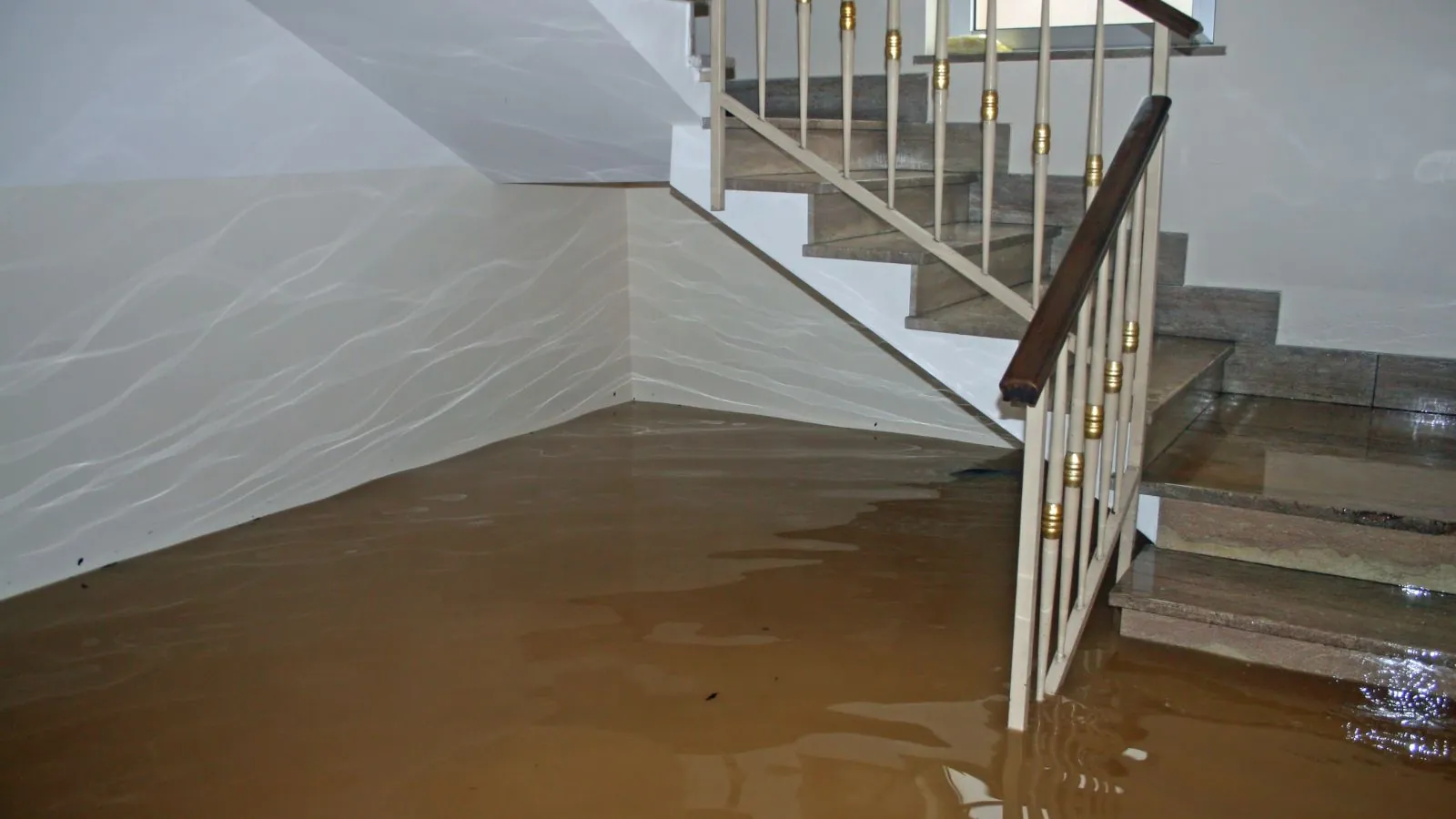
In Manorhaven, restoring a water-damaged home comes down to three jobs: stop the leak, get the water out, and dry the building until measurements confirm it. The village incorporated in 1930, says manorhaven.gov, and lies within North Hempstead town territory, using a Port Washington 11050 mailing address.
This page covers what is documented about water in the village, what to do right after a loss, and how the work is normally done. If you want the broader picture, see Port Washington water damage restoration.
What the record says about water in Manorhaven
CBS New York reported in December 2021 that Manorhaven Boulevard 'floods easily during heavy rain' and that crews would install new drainage, including curbs and gutters, as part of a street rehabilitation funded with Nassau County money. No single storm date was named in that report.
The village also posts its stormwater reports on manorhaven.gov and states that its system discharges into Manhasset Bay. That tells you where runoff ends up, not whether any particular house takes water, so treat it as background and look at your own lot and your own basement.
Zooming out, News12 covered a September 2021 downpour that flooded Port Washington roads and left drivers needing rescue from stalled cars. The Island 360 quoted the Port Washington fire chief saying many basements and streets were flooded. Those reports cover the Port Washington area as a whole, not Manorhaven by name.
Where the water usually comes from
Outside a storm, most calls start with something inside the house. These are the usual starting points, described as general causes rather than a claim about how often they happen in the village.
Supply lines and fittings
Braided hoses, shutoff valves and pipe joints fail slowly or all at once. Read about burst pipes to see how those losses unfold.
Water heaters and appliances
Tank leaks, dishwasher hoses and washing machine connections can soak a floor before anyone notices. Appliance leak cleanup covers the details.
Roof and window leaks
Wind-driven rain finds gaps in flashing and window frames, then shows up as ceiling stains or damp wall cavities.
Sewer and drain backups
A backup is a contaminated-water problem and needs different handling, covered in sewage backup cleanup.
Questions about your situation? Call the 24/7 line and describe what you see.
☎ Call (516) 845-9582Safety first
Stay clear of any pool of water that might reach outlets, cords or the panel. Never touch electrical equipment or flip breakers with wet feet. Close the water supply only if you can get to it safely. Smell gas or see sparks? Dial 911 or the utility. If the water is sewage or otherwise contaminated, leave it to trained crews and keep the box fans and shop vacuum away from it.
From the first call to a dry structure
A typical job runs in this order.
Stop the source
Close the nearest shutoff or have the failed fixture isolated so more water is not added.
Extract standing water
Pumps and extraction units pull water off floors and out of low spots. Water extraction comes first because every hour of wet material makes drying harder.
Measure
Moisture meters plus a thermal imaging camera reveal hidden wet spots in walls, subfloors and ceilings.
Dry with equipment
Air movers and dehumidifiers run while the crew logs readings each visit. Structural drying ends when the logged numbers reach the dry standard for that material, not when the room feels dry.
Decide what stays
Soaked insulation, some drywall and padding are often removed, while solid framing and some flooring can be dried in place.
Documenting the loss for your insurer
New York's Department of Financial Services advises homeowners to keep good records. Read the policy early, since flood is typically excluded and sewer or drain back-up may need an added endorsement or its own policy.
- Take pictures and video of each damaged area before cleanup starts.
- Make a room by room inventory of damaged belongings.
- Keep every receipt for emergency repairs.
- Keep ruined belongings until the claim is resolved.
- Delay anything permanent until someone from the insurer has looked it over.
- File as soon as you can and follow up in writing.
Permits, flood maps and mold
Manorhaven runs its own village building department, which takes applications for building, plumbing and rental permits. If repairs involve rebuilding walls or replacing plumbing, ask the village what it needs before work starts.
FEMA's Flood Map Service Center lets you look up your own address. Even a mapped zone cannot tell you how one storm will treat one house, so treat the map as a single data point.
Mold needs moisture, so quick drying matters. New York State licenses mold assessors and remediators, and one individual may not do both jobs on the same property. Ask any company for its licence details, and see mold remediation for how licensed work is arranged.
Frequently asked questions
Does Manorhaven handle water damage permits itself?
According to the village site, its Building Department handles applications for building, plumbing and rental permits. Ask the village office what applies to your repair.
Is a basement flood in Manorhaven covered by my homeowners policy?
Frequently not. Flood is usually left out, and back-up coverage tends to be an add-on, so read your policy and raise it with your insurer directly.
Should I run fans myself after a pipe break?
For clean water from a supply line, ventilation helps a little, but fans cannot reach water inside walls or under floors. Professional drying uses meters and logged readings to confirm the job is done.
Who should I call first, the restoration line or my insurer?
Sparks, shocks or a gas smell mean calling emergency services or the utility first. After that, call the line to limit further damage and let your insurer know soon.
Where can I read more about rain-driven losses?
Yes, storm water damage cleanup and basement water damage cleanup cover the rain-driven cases in more detail.
Ready to talk it through? Call the 24/7 line.
☎ Call (516) 845-9582