
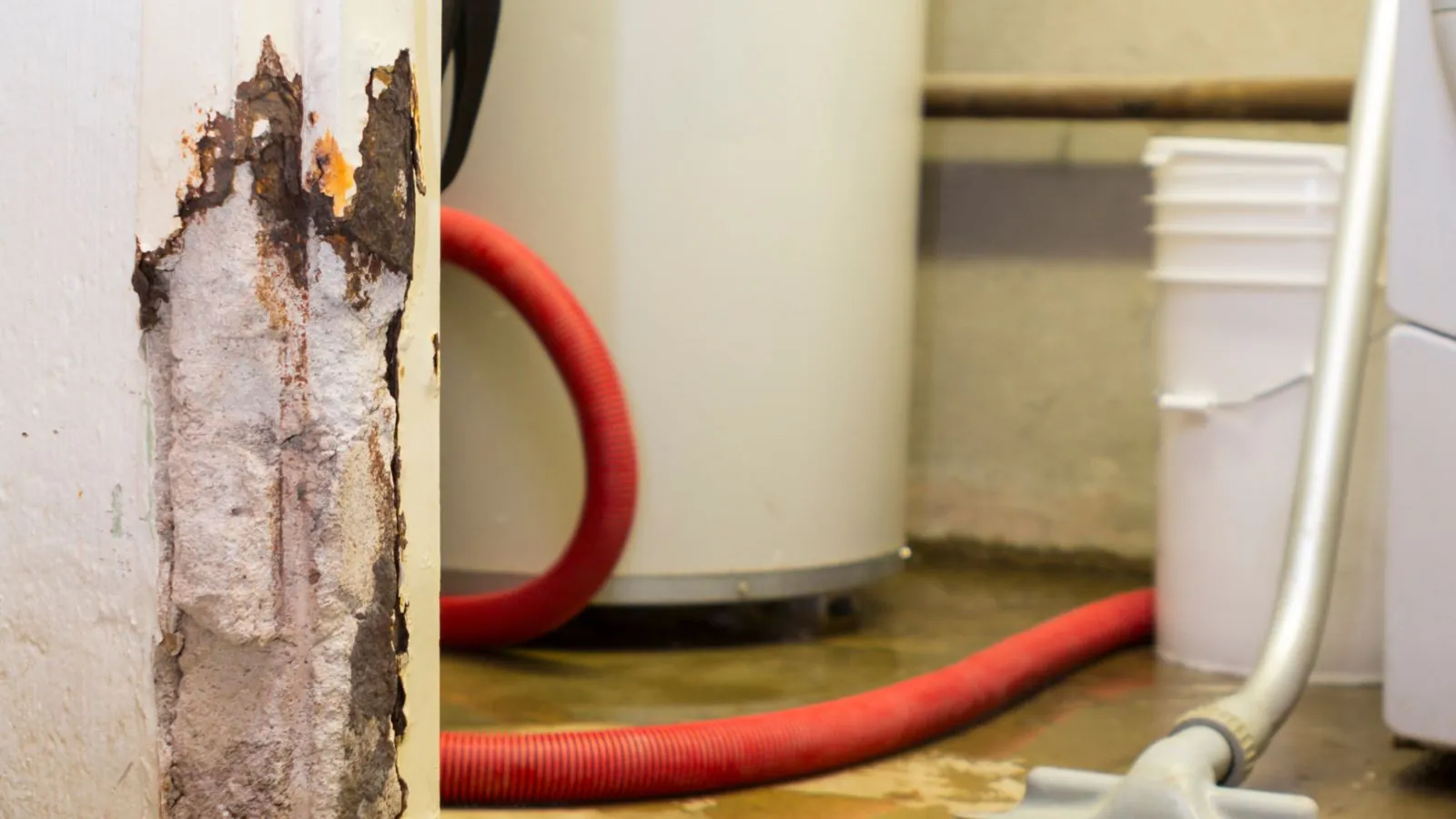
What does a water mitigation company do? It limits the damage after water gets in: it removes standing water, dries the structure, takes out materials that cannot be saved and records what it finds. Mitigation is the emergency and stabilization phase of a water loss, and it ends where rebuilding begins.
People often mix the two phases up, and that can cause trouble with estimates and insurance. A company that dries your home is not necessarily the one that rebuilds it. Knowing where the line sits helps you ask better questions and avoid paying for work twice.
The core mitigation tasks
Not every job uses every task, but most follow this outline.
Water extraction
Pumps come first when there is a standing pool, because every minute of contact lets materials absorb more.
Drying
Air movers and LGR dehumidifiers lower the moisture in framing, subfloors and walls, with readings taken to check progress.
Demolition of unsalvageable materials
Wet insulation, soaked carpet pad and drywall that will not recover are removed so the structure can dry.
Cleaning and containment
Affected areas are cleaned, and containment keeps dust or contamination from spreading to dry rooms.
Documentation
Photos, moisture readings, equipment logs and notes on removed materials form the record of the job.
Mitigation versus reconstruction
The easiest way to see the boundary is by what each phase is trying to do.
| Question | Mitigation | Reconstruction |
|---|---|---|
| Main goal | Stop and contain the damage | Rebuild and refinish |
| Typical work | Extraction, drying, tear-out, cleaning | Drywall, paint, flooring, cabinets, trim |
| Timing | Starts right away, runs a few days to a few weeks | Starts after materials are dry |
| Paperwork | Moisture logs, equipment records, photos | Scope, materials, permits and inspections |
| Who does it | A mitigation crew | A general contractor or the same company, if it offers rebuild |
Questions about your situation? Call the 24/7 line and describe what you see.
☎ Call (516) 845-9582A typical job, in sequence
Order depends on safety and the category of water, but the shape rarely changes.
Assess and make safe
The crew checks for electrical and structural hazards, finds the source and decides what category of water it is dealing with.
Remove standing water
Extraction units pull water from floors and carpet, since water extraction is the step that reduces what materials absorb.
Remove what cannot be saved
Insulation, pad and soaked drywall come out. The crew photographs each removal and keeps notes.
Set drying equipment
Then air movers and LGR dehumidifiers get positioned, with HEPA air scrubbers added on some jobs.
Monitor daily
Readings are taken at marked points, equipment is adjusted and notes are updated until the structure reaches its dry standard.
Hand off the records
You receive the logs and photos, and the rebuild scope can then be written from what was removed.
S500 as the published standard
The S500 document, published by ANSI and the IICRC, covers professional water damage restoration. It describes how water categories and damage classes are assessed and how drying is carried out and documented. You can read it as a benchmark for what careful mitigation looks like.
A fair question for any contractor is whether the crew works to S500 and what that looks like on your particular loss. The answer should be specific: how it classifies the water, how it sets its dry reference and how often it logs readings.
Where drying fits and where it stops
Drying is the longest part of mitigation. Structural drying and dehumidification continues until readings match the dry reference, and the time depends on materials, the volume of water and conditions in the building.
When drying ends, so does the mitigation scope. Paint, new drywall and replacement flooring belong to reconstruction, and they should be quoted separately so you can compare them.
How mitigation notes support an insurance claim
Records kept during mitigation show the insurer which materials were wet, for how long, and what came out. Photos taken before demolition, moisture logs and equipment lists give an adjuster something concrete to review. Your policy and your insurer decide what is covered.
Ask the company for copies of its logs and photos at the end of drying. Keep them with your own pictures and receipts.
What to expect on cost
Pricing is explained before work starts. These factors shape the scope:
- The category of water, from clean supply water to contaminated sources.
- The affected area and how many rooms and floors the water reached.
- The materials involved, since carpet, hardwood and drywall dry differently.
- Drying days and how much equipment sits on site.
- The scope of rebuild required after drying is complete.
What this means in Port Washington
After the drying stops, the next question is who issues permits for the rebuild. In the unincorporated area that is the Town of North Hempstead, which takes applications through MyToNH.
Port Washington is unincorporated, but the peninsula also includes incorporated villages that run their own building departments. The villages of Manorhaven and Port Washington North put their own permit applications online. Settle which office applies early so a permit does not catch you off guard. Nearby areas like Roslyn and Old Westbury have village governments of their own, so check there too if you own property in either.
Frequently asked questions
Is water mitigation the same as water damage restoration?
Mitigation is the first phase, which stabilizes and dries the structure. Restoration often includes the rebuild that follows, so ask what each quote covers.
Does the mitigation company also rebuild?
Some do and some do not. You can keep both phases with one company or hire a separate contractor, as long as the scopes are written clearly.
How long does mitigation take?
It depends on the materials, the water volume and the building. Daily readings show when drying is done, so ask to see them.
Will mitigation remove mold?
Mitigation aims to dry materials so mold has less moisture to grow on. Mold work is a separate process, and New York requires licensed assessors and remediators, with assessment and remediation done by different individuals on the same property.
Which office issues a permit for rebuild work in Port Washington?
It depends on your street, since the unincorporated area and the villages do not share one permit office. Call the right one before scoping the rebuild.
What records should I ask for after mitigation?
Ask for dated photos, moisture logs, the equipment list and notes on removed materials. These support your insurance claim and your rebuild scope.
Ready to talk it through? Call the 24/7 line.
☎ Call (516) 845-9582