
Port Washington North is an incorporated village, formed in 1932 according to its own history timeline, with Village Hall at 3 Pleasant Avenue under the Port Washington ZIP 11050. Water damage restoration means getting water out, drying what stayed wet and recording the work, whatever started it. This page is part of our Port Washington water damage restoration coverage and focuses on the village itself.
We looked for a documented flood event that names Port Washington North and did not find one. So this page is not built around flooding. It is built around what a restoration team typically sees in houses and apartment buildings everywhere: water that starts inside.
Where water damage usually starts inside a house
This is a general service explanation, not a claim about how often any of it happens in this village.
Supply lines and fittings
A braided connector or pipe joint can seep for weeks before anyone sees a stain. See burst pipe water damage.
Water heaters
A failed tank or fitting can release a lot of water into a utility closet or basement. Read about water heater leak cleanup.
Appliances and toilets
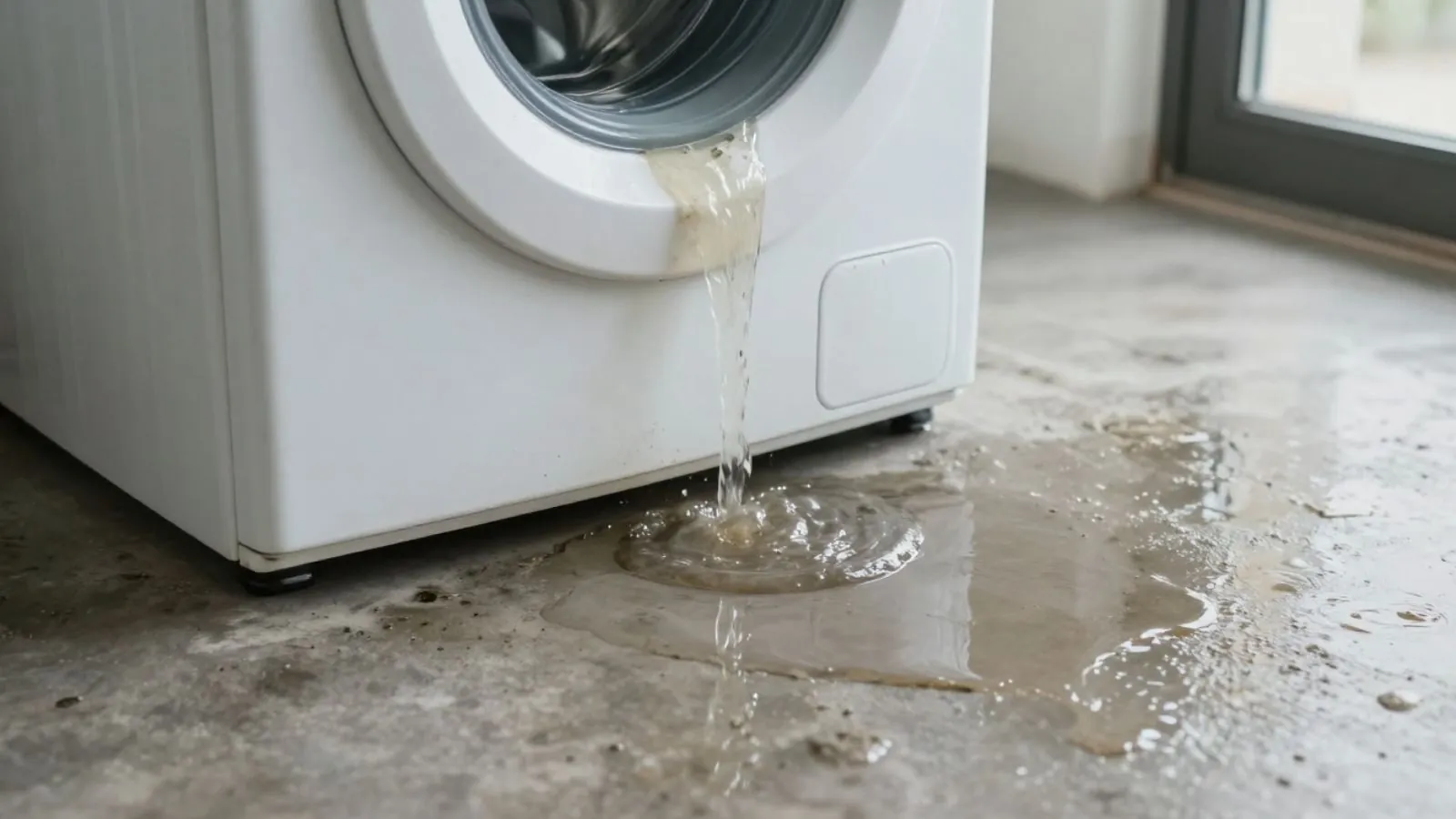
Dishwasher hoses, washing machine lines, ice maker tubing and toilet supply lines all fail quietly. Appliance leak damage often hides behind cabinets.
Roof and window leaks
Wind-driven rain can find a failed flashing or window seal and wet insulation above a ceiling. Ceiling repair starts with finding the entry point.
Sewer or drain back-ups
When a drain line stops, water can return through the lowest fixture. This is contaminated water and a professional job.
Neighbors above and below
The village timeline records that the first section of Soundview Village was approved in 1959 and that in 1960 the village board limited apartment height to 30 feet. Wherever there are multi-unit buildings, a leak in one unit can reach the ones below through ceilings and wall cavities.
If that is your situation, tell the restoration team early which units are affected and who manages the building. Drying in shared walls often needs coordination, and photographs of the neighbors' side help later.
Questions about your situation? Call the 24/7 line and describe what you see.
☎ Call (516) 845-9582Safety first
Keep out of any pooled water that could be touching outlets, extension cords or the electrical panel, and never work a breaker or plug-in tool while standing in it. Turn off the water supply only if the valve is reachable and the path is dry. Electrical smells, sparks or gas odors mean 911 or the utility first. Sewage and other contaminated water is a job for a professional, not for household fans or a regular vacuum.
What drying looks like in plain terms
After extraction units remove standing water, the team uses moisture meters to find what is still wet inside walls and under floors. Air movers and dehumidifiers then run together, and the readings are logged each visit so you can see the numbers fall.
The goal is a dry structure measured against reference readings, not a fixed number of days. For more, see structural drying and dehumidification.
Records worth keeping
New York's Department of Financial Services lists these steps, and they apply to a small leak as much as a big loss. Flood and sewer back-up often need separate coverage, so read your policy.
| What to keep | Why |
|---|---|
| Photos or video before cleanup | Shows the damage as you found it |
| Room-by-room inventory | Lists damaged items with receipts |
| Receipts for emergency repairs | Supports reimbursement requests |
| Notes on every conversation | Follow up in writing |
Mold, permits and flood maps
Mold needs moisture. Under New York rules, mold assessors and remediators hold licences, and the two roles must be filled by different people on a job. Whoever you call, ask about their licence. The mold remediation page has more.
The village keeps a Building Department of its own at 3 Pleasant Avenue, so ask there about permits. For flood mapping, check FEMA's Flood Map Service Center using your address. A mapped zone tells you little about what any one storm will do to any one house. News12 Long Island, on September 2, 2021, covered heavy rain flooding roads in Port Washington and did not name the village. Ask about licensing and insurance when you call.
Frequently asked questions
Is Port Washington North the same as Port Washington?
No. It is a separate incorporated village with its own government, although the mailing ZIP is the same 11050.
Has the village had documented flooding?
We found no flood event naming Port Washington North specifically. The only report we found, News12 Long Island on September 2, 2021, named Port Washington generally.
What causes most water damage calls without a storm?
As a rule, crews are called for failed supply lines, tanks, appliances, toilets, roofs, windows and backed-up drains. That is a general pattern, not a statement about this village.
Who issues repair permits here?
Ask the village building department before you start repairs.
Can I check my own flood zone?
Type your address into FEMA's map service. Sands Point is a separate village too, one more community in the Port Washington area.
Ready to talk it through? Call the 24/7 line.
☎ Call (516) 845-9582